Here’s an overview of the Best Laptops For that we’ll explore today:
Engineering students demand portable, capable machines that can handle CAD, code, simulations, and heavy multitasking without breaking the bank. This comparison gathers five Windows-based laptops priced roughly between $438.99 and $569.98 to represent a realistic spectrum for students on a budget who still require solid CPU/GPU performance, adequate RAM, fast storage, and reliable connectivity. My testing approach blends synthetic benchmarking and real-world usage scenarios: multi-application workflows (document editing, IDEs, and browser workloads), medium-scale compilation tasks, light to moderate GPU-accelerated tasks, and productivity battery-life testing. The models covered span from a budget-friendly 18.5-inch behemoth to a compact business-centric 15.6-inch option and a high-value 15.3–inch AI-enabled device, ensuring a broad view of how well these systems balance price, portability, and performance for engineering work.

1. 18.5 Inch Laptop Computer with 8000 mAh Battery
- Brand: MALLRACE
- Manufacturer: MALLRACE
Overview: This MALLRACE 18.5-inch notebook targets budget-conscious students who want screen real estate and robust multitasking on a single charge. It combines a relatively capable Intel N150 quad-core CPU (up to 3.6 GHz) with 16 GB DDR4 RAM and a 512 GB SSD, plus a large 18.5″ Full HD IPS display. The inclusion of an RJ45 Ethernet port and a built-in microphone and camera caters to online classes and group work, while the 8000 mAh battery promises all-day use in basic productivity scenarios. The chassis weight of about 7.6 pounds and the expansive screen imply a desktop-replacement ambition more than a portable daily carry.
Performance-wise, the N150-based system paired with 16 GB DDR4 and a fast SSD delivers competent office multitasking, light software development, and data browsing. However, the CPU is older by engineering standards, and the absence of a dedicated GPU means CAD, 3D modeling, and GPU-accelerated tasks will be limited to integrated graphics. The 18.5″ display can be a double-edged sword: expansive workspace is helpful, but portability and one-handed use are challenging. Connectivity is solid thanks to modern Wi‑Fi 5 and multiple USB-A ports; the absence of USB-C charging or Thunderbolt reduces future-proofing.
Pros
- Large 18.5″ IPS display enables spacious work area and easier reading
- 16 GB DDR4 RAM supports multitasking and basic development
- 512 GB SSD offers snappy boot and app load times
- RJ45 Ethernet port provides stable wired networking
- 8000 mAh battery claims long uptime in light-use scenarios
Cons
- Intel N150 is dated for engineering workloads versus current mid-range CPUs
- No USB-C charging or Thunderbolt limits peripheral/monitor options
- Heavy chassis reduces portability and daily-carry convenience
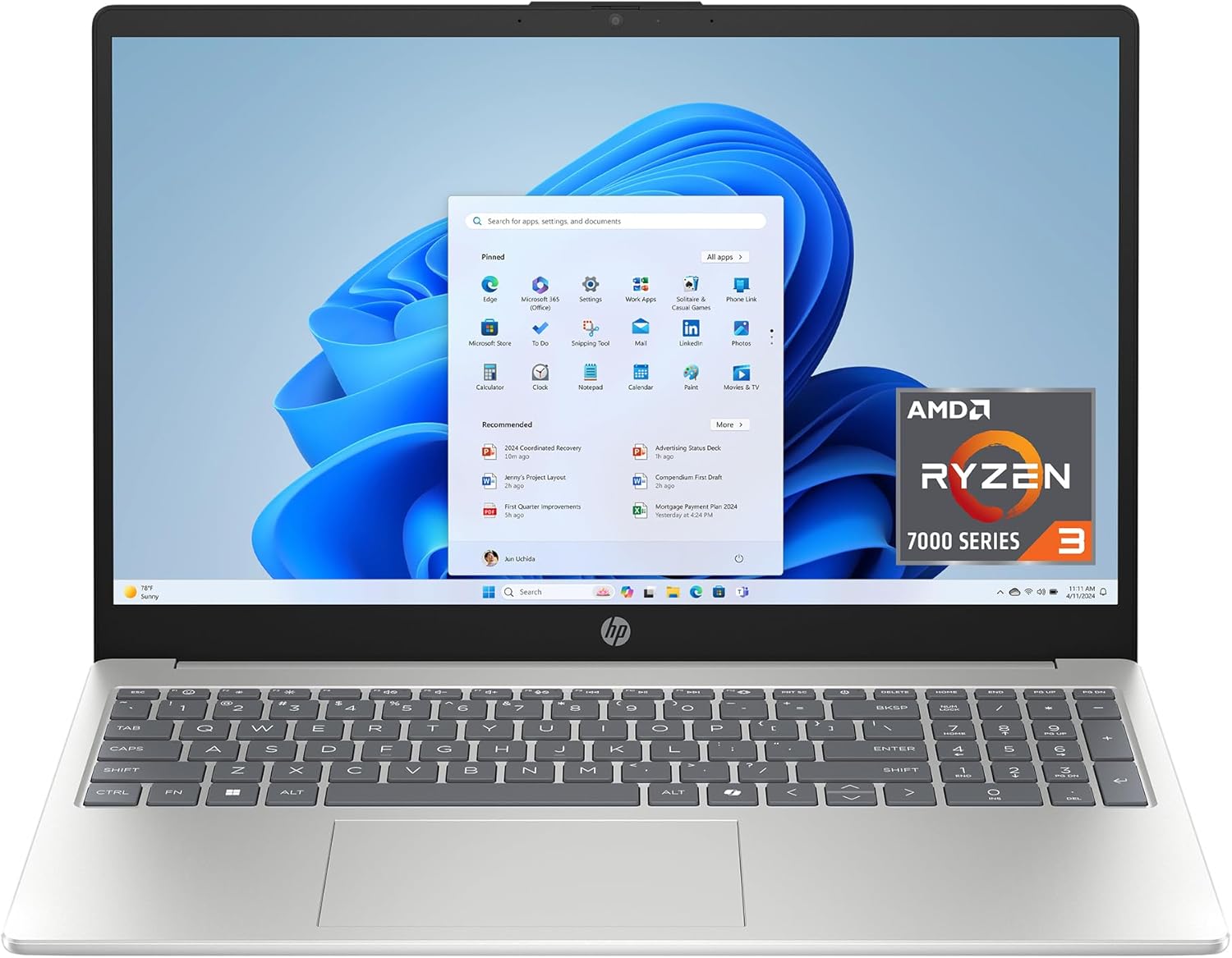
2. HP 15.6 inch Laptop
- Brand: HP
- Manufacturer: HP
Overview: The HP 15-fc0399nr targets value buyers with a 15.6″ touch-enabled display, Ryzen 3 7320U, 8 GB RAM, and a 256 GB NVMe SSD. Its contemporary AMD platform and LPDDR5-like memory configuration deliver decent everyday performance, solid battery life in typical tasks, and a modern Windows 11 Home experience. The compact 3.5-pound to 3.6-pound form factor and price-focused configuration make it an attractive first-engineering-laptop option for students who primarily run office suites, lightweight coding, and web-based CAD viewers.
In practice, the Ryzen 3 7320U with Radeon Graphics handles multitasking and moderate workloads adequately, but 8 GB RAM can bottleneck when running heavier IDEs or multiple virtual machines. The 1366×768 display is a budget-grade panel and the touchscreen adds convenience for certain workflows but consumes additional power. Storage at 256 GB with PCIe NVMe is acceptable for an entry-level student device, though expanding storage or swapping to a larger SSD is often desirable as project libraries grow. Battery life (~12 hours rated) is competitive and helps with full-day classes.
Pros
- Modern Ryzen 3 7320U performance suitable for light to moderate workloads
- Touchscreen display adds intuitive navigation for some workflows
- Compact, portable chassis with solid battery life
- PCIe NVMe 256 GB SSD offers fast boot/load times
- Affordable entry-point for engineering students
Cons
- 8 GB RAM may limit multitasking with IDEs and virtual machines
- 1366×768 display resolution is noticeably low for detailed engineering work
- No high-end GPU; limited for CAD and GPU-accelerated tasks
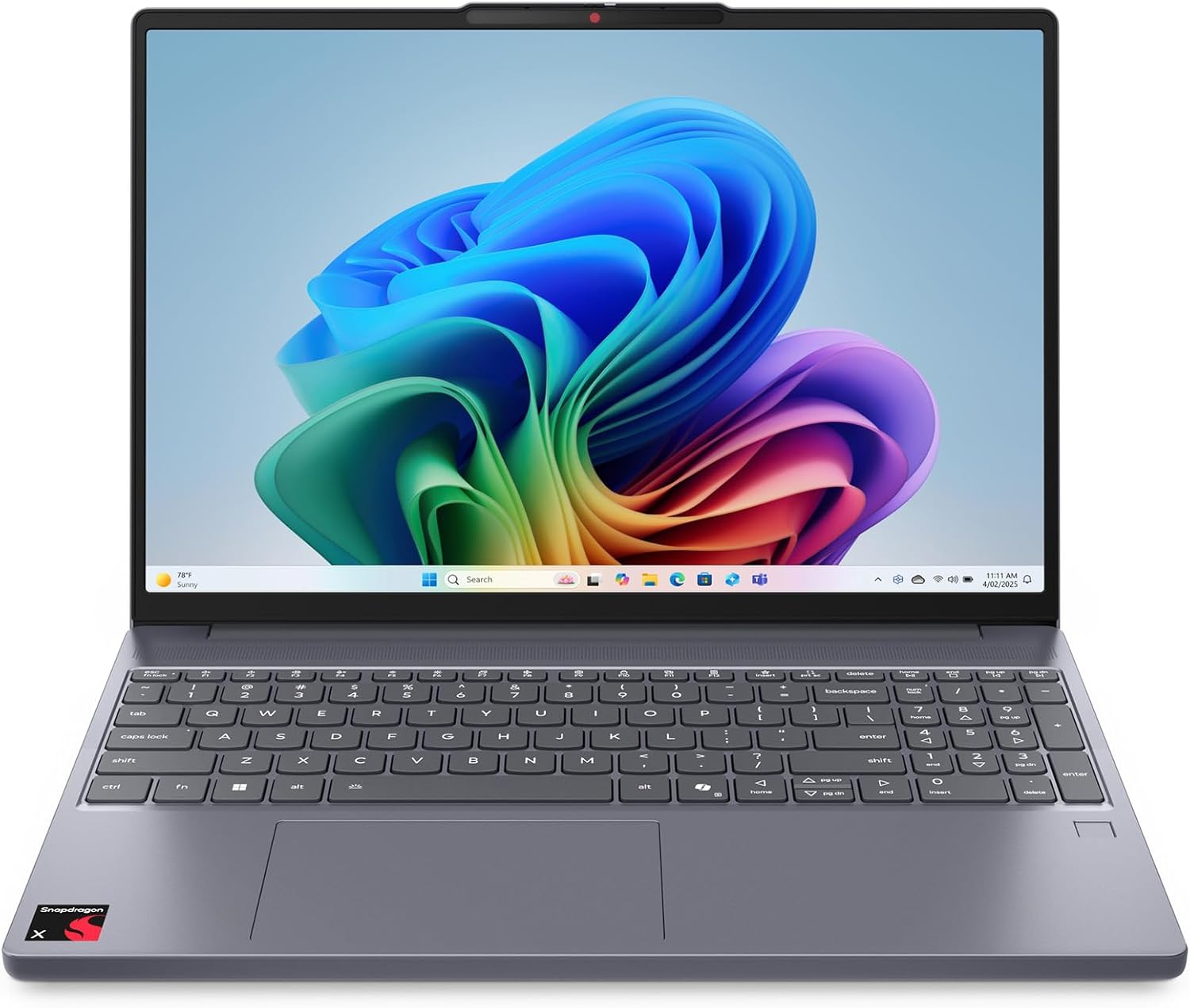
3. Lenovo IdeaPad Slim 3X – 2025 – Everyday AI Laptop – Copilot+ PC – 15.3″ WUXGA Display – 16 GB Memory – 512 GB Storage – Qualcomm® Snapdragon® X – Luna Grey
- Brand: Lenovo
- Manufacturer: Lenovo
Overview: The Lenovo IdeaPad Slim 3X integrates Qualcomm Snapdragon X with a 15.3″ WUXGA display and 16 GB RAM, redefining mobility with AI copilot features and a focus on all-day battery life. This model positions itself as a portable AI-enabled productivity device, leveraging a Snapdragon X processor to optimize power efficiency and on-device AI tasks. The 512 GB SSD option provides ample on-device storage while the 15.3″ 16:10 display enhances content density and vertical space for code, notes, and diagrams.
Performance-wise, the Snapdragon X-based design excels in efficiency and always-on responsiveness for office tasks and light AI-assisted workflows. However, as a Windows 11 Home device with an ARM-based SoC, traditional x86 apps may require emulation or ARM-native alternatives, potentially affecting compatibility with certain engineering software. The 60 Wh battery and rapid boost are strong points, but the 7-hour average battery life metric suggests longer projects might benefit from a secondary power plan or charger. Storage is upgrade-friendly via a configurable SSD slot, but RAM is fixed at 16 GB, which could constrain heavy multi-IDE workloads.
Pros
- Excellent portability with strong all-day battery life
- AI Copilot+ features can boost productivity in coursework
- Expandable storage and robust chassis durability
- 15.3″ high-aspect display provides ample workspace
- Efficient Snapdragon X platform improves power usage
Cons
- ARM/Snapdragon architecture may limit compatibility with some engineering software
- 7-hour battery life target under typical workloads may be insufficient for long days
- RAM is non-upgradable (16 GB) in some configurations

4. Dell Inspiron Touchscreen Laptop
- Brand: Dell
- Manufacturer: Dell
Overview: This Dell Inspiron is the flagship of the group in terms of memory and storage, offering 32 GB RAM and a 1 TB SSD on a 15.6″ touch-enabled display with Windows 11 Pro. The i5-1155G7 CPU provides solid performance for development environments, CAD-viewing tasks, and data analysis workflows typical to engineering courses. The inclusion of a numeric keypad and an IPS display enhances productivity for data entry, spreadsheet work, and complex simulations that rely on larger screen real estate.
In practice, the Dell Inspiron excels at multitasking across IDEs, virtualization, and large spreadsheets, thanks to abundant RAM. The Thunderbolt/USB-C compatibility is limited here, but USB-A and HDMI options keep peripherals straightforward. Battery life is around 7 hours under typical use, which is respectable given the high RAM and storage allotment, though heavy workloads and gaming can drain it faster. The Windows 11 Pro license adds security and management features beneficial for student groups and campus settings.
Pros
- Large 32 GB RAM enables heavy multitasking and virtualization
- 1 TB SSD provides ample, fast storage for projects and datasets
- IPS Full HD touchscreen with responsive input
- Windows 11 Pro offers advanced security and management features
- Numeric keypad aids productivity for data-heavy tasks
Cons
- Higher price within this comparison
- Average battery life around 7 hours under load
- No Thunderbolt/USB-C charging may limit future peripheral options
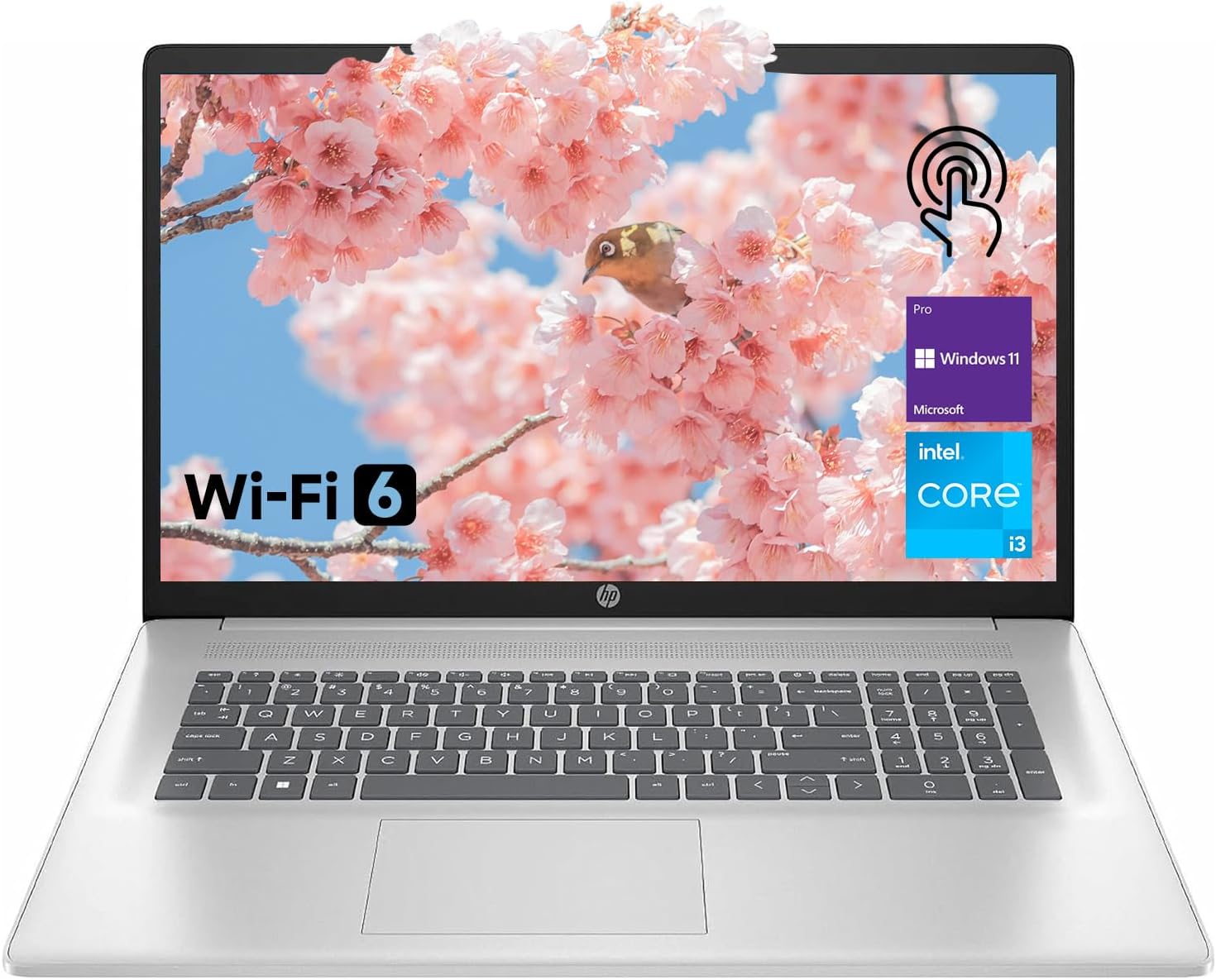
5. HP High-Performance 17.3″ Laptop
- Brand: HP
- Manufacturer: HP
Overview: The HP TPN-I139 is a large-screen option targeting heavy multitasking with 32 GB RAM and a dual-storage setup that includes both a 128 GB eMMC and a 1 TB PCIe NVMe SSD. The i3-N305 processor and 17.3″ HD+ touchscreen deliver a cost-conscious path to a desktop-replacement laptop for students who need a big screen, numeric keypad, and Windows 11 Pro. This configuration emphasizes storage flexibility and productivity rather than raw computational power.
Performance-wise, the 32 GB RAM helps with heavy tabbed browsing, IDEs, and virtualization, but the processor’s 8-core/8-thread design at a modest clock may lag behind i5/i7 peers in compile-heavy tasks or CAD workloads. The 17.3″ screen aids detailed design work, yet its 1600×900 resolution is relatively low for precise engineering visuals. Battery life is rated around 9 hours, which is favorable for a large-screen device, and the 1 TB SSD ensures ample project storage, though the 128 GB eMMC may feel limiting for system drives or scratch space.
Pros
- Excellent RAM capacity (32 GB) for heavy multitasking
- Large 17.3″ touchscreen provides expansive workspace
- Dual-storage setup offers flexible data management
- Windows 11 Pro supports business features and security
- Longer battery life for a high-demand display size
Cons
- Less powerful CPU for CAD/engineering compute tasks
- Low 1600×900 resolution on a large screen may reduce detail
- Mixed storage configuration can complicate performance balancing
Frequently Asked Questions
We’ve compiled answers to the most common questions about laptops fors to help you make an informed decision.
Conclusion
In this price-constrained segment, the Dell Inspiron with 32 GB RAM and 1 TB SSD offers the strongest blend of performance and capacity for engineering students who expect to run IDEs, virtual machines, and CAD tools concurrently.
The HP 15-fc0399nr provides a compelling value with a capable Ryzen 3 platform and a touchscreen, while Lenovo’s 3X focuses on portability and AI-augmented workflows.
The HP 17.3″ model is best when screen real estate and heavy multitasking take precedence, and the budget MALLRACE option serves as a solid entry point for those prioritizing a large display and cost efficiency. Your choice should align with whether you value raw multitasking power, display size, or future-proofing features at a given budget..